Skip to content


eco-friendly-materials-smart-choices/”>eco-friendly-flooring-options-sustainable-wood-sourcing/”>Wooden flooring is a timeless choice that adds warmth, beauty, and value to any home. As concerns about climate change and environmental sustainability grow, many homeowners are looking for ways to make eco-conscious choices when it comes to home renovations. Sustainable wooden flooring offers the perfect balance between style, durability, and environmental responsibility.
In this blog, we’ll explore what makes wooden flooring sustainable, the different types of eco-friendly options available, and why choosing sustainable flooring can benefit both your home and the planet.
What Is Sustainable Wooden Flooring?
Sustainable wooden flooring refers to wood that is harvested and manufactured in a way that minimizes environmental impact. This includes responsible forest management, reduced energy consumption in production, and long-lasting, recyclable products. Sustainable wood floors are made from materials that are renewable, biodegradable, and often come from certified sources that ensure forests are not depleted.
Here are key factors that define sustainable wooden flooring:
- Responsible Sourcing: The wood is harvested from forests that are managed sustainably. This means trees are replanted, and biodiversity and ecosystems are protected.
- Certifications: Look for certifications from organisations like the Forest Stewardship Council (FSC) or the Programme for the Endorsement of Forest Certification (PEFC), which guarantee that the wood has been sourced ethically.
- Low VOC Finishes: Volatile Organic Compounds (VOCs) in some finishes and adhesives can harm air quality and contribute to pollution. Sustainable wood flooring often uses low-VOC or non-toxic finishes.
- Energy-Efficient Production: The manufacturing process of sustainable wood flooring focuses on reducing energy consumption and waste.
- Durability: High-quality wooden floors that last for decades are inherently more sustainable because they reduce the need for frequent replacement and the associated waste.
Why Choose Sustainable Wooden Flooring?
Opting for sustainable wooden flooring offers a wide range of benefits:
Environmental Benefits
Choosing sustainable wood helps protect forests and ecosystems. Forests play a crucial role in absorbing carbon dioxide and regulating the climate, so responsible forestry practices help maintain this balance. When you choose sustainably sourced wood, you are directly supporting the preservation of forest biodiversity and preventing deforestation.
Healthier Indoor Air Quality
Sustainable wooden floors are often finished with low-VOC (volatile organic compound) or non-toxic finishes and adhesives, which means fewer harmful chemicals are released into your home’s air. This improves indoor air quality and contributes to a healthier living environment, especially for those with allergies or respiratory issues.
Durability and Longevity
High-quality wooden flooring, especially hardwood, is extremely durable and can last for decades if properly maintained. This longevity reduces the environmental impact because fewer resources are used in replacements or repairs.
Recyclability and Reusability
Wooden flooring, especially from sustainably managed sources, is biodegradable and recyclable. At the end of its life cycle, the wood can often be repurposed or broken down without harming the environment, unlike synthetic flooring materials that may end up in landfills.
Aesthetic Appeal
Sustainable wooden floors offer the same timeless appeal as traditional wood flooring. Whether you prefer a modern, rustic, or classic design, sustainable options come in a wide variety of styles, finishes, and wood species, allowing you to create a beautiful and eco-friendly home.
Types of Sustainable Wooden Flooring
There are various types of wooden flooring that are considered sustainable. Here’s a look at some popular eco-friendly options:
Reclaimed Wood
Reclaimed wood is sourced from old buildings, barns, factories, or other structures that are no longer in use. Instead of cutting down new trees, the wood is salvaged, cleaned, and repurposed into flooring. Reclaimed wood is an excellent choice for sustainability because it reuses existing materials and prevents waste.
- Benefits: Unique character and patina, reduces demand for new wood, environmentally friendly.
- Considerations: May have a rustic appearance, and sourcing can be more expensive due to the labor involved in reclaiming and preparing the wood.
Engineered Wood
Engineered wood consists of a top layer of real wood veneer bonded to layers of plywood or high-density fiberboard (HDF). It uses less solid wood than traditional hardwood flooring and is often more sustainable as a result. Some manufacturers source the plywood layers from fast-growing, renewable species like eucalyptus or poplar.
- Benefits: Uses less solid wood, highly durable, can be installed in areas prone to moisture, such as basements.
- Considerations: Ensure that the adhesives and finishes used in the manufacturing process are low-VOC and eco-friendly.
Bamboo Flooring
Bamboo is not technically wood, but it is a popular alternative that looks and functions like traditional hardwood flooring. It is considered highly sustainable because it grows rapidly and can be harvested without damaging the root system, allowing it to regenerate quickly.
- Benefits: Fast-growing, renewable resource, durable, and available in a variety of finishes.
- Considerations: Some bamboo flooring may be manufactured using high levels of formaldehyde or other harmful chemicals, so look for bamboo that has eco-certifications.
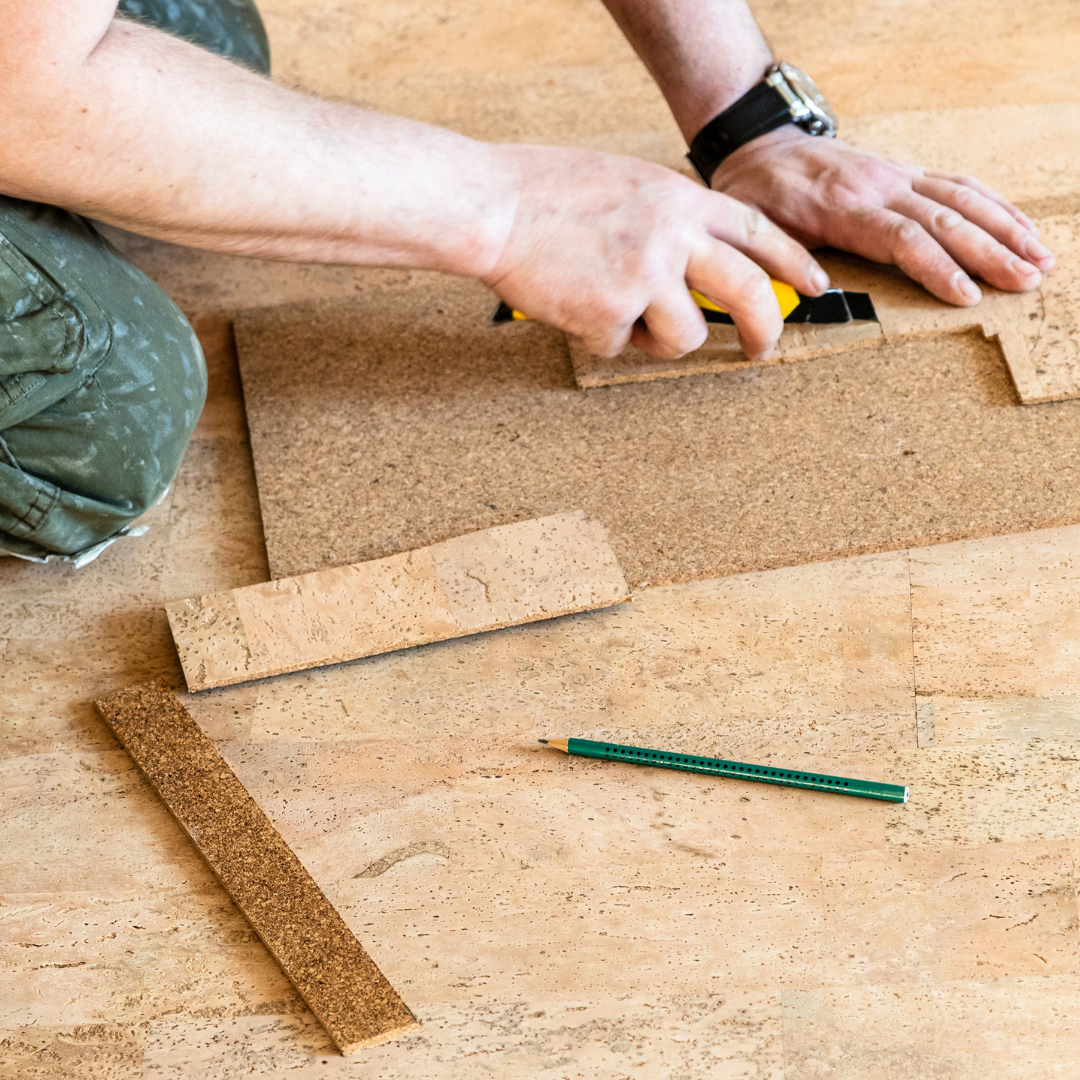
Cork Flooring
Cork is another sustainable alternative to traditional wood flooring. It is harvested from the bark of cork oak trees, which regenerates after harvesting, making it a renewable resource. Cork flooring is soft underfoot and provides excellent insulation.
- Benefits: Renewable, provides thermal and sound insulation, hypoallergenic.
- Considerations: Less durable than hardwood and may need more frequent refinishing.
Sustainably Harvested Hardwood
If you prefer traditional hardwood flooring, you can still make an eco-friendly choice by selecting wood from responsibly managed forests. Look for FSC or PEFC certifications to ensure that the wood has been harvested in a way that supports forest health and biodiversity.
- Benefits: Durable, long-lasting, available in a wide variety of species and finishes.
- Considerations: Ensure that the wood is genuinely certified as sustainable, as not all hardwood flooring is responsibly sourced.
Tips for Choosing Sustainable Wooden Flooring
When selecting eco-friendly wooden flooring for your home, keep these tips in mind:
- Check Certifications: Always look for certifications like FSC, PEFC, or other recognised eco-labels. This ensures that the wood was harvested sustainably and supports ethical forestry practices.
- Consider Local Wood: Opt for wood species that are native to your region to reduce transportation emissions and support local ecosystems.
- Low-VOC Finishes: Make sure the flooring you choose uses low-VOC or water-based finishes and adhesives to maintain good indoor air quality.
- Choose Long-Lasting Products: Durability is a key component of sustainability. Invest in high-quality flooring that will last for years, reducing the need for frequent replacements.
- Think About End-of-Life Impact: Consider how your flooring will be disposed of or recycled at the end of its life. Flooring that can be repurposed, recycled, or biodegraded is more sustainable.
Conclusion
Sustainable wooden flooring is an excellent option for homeowners who want to create a stylish, durable, and environmentally responsible living space. From reclaimed wood to responsibly harvested hardwood and fast-growing bamboo, there are plenty of eco-friendly flooring options to choose from. By selecting sustainable materials and ensuring that your flooring is certified, durable, and low in VOCs, you can enjoy the beauty of wooden floors while minimising your environmental footprint.
Sustainability doesn’t mean sacrificing style or quality—it simply means making smarter choices for a greener future.