Skip to content


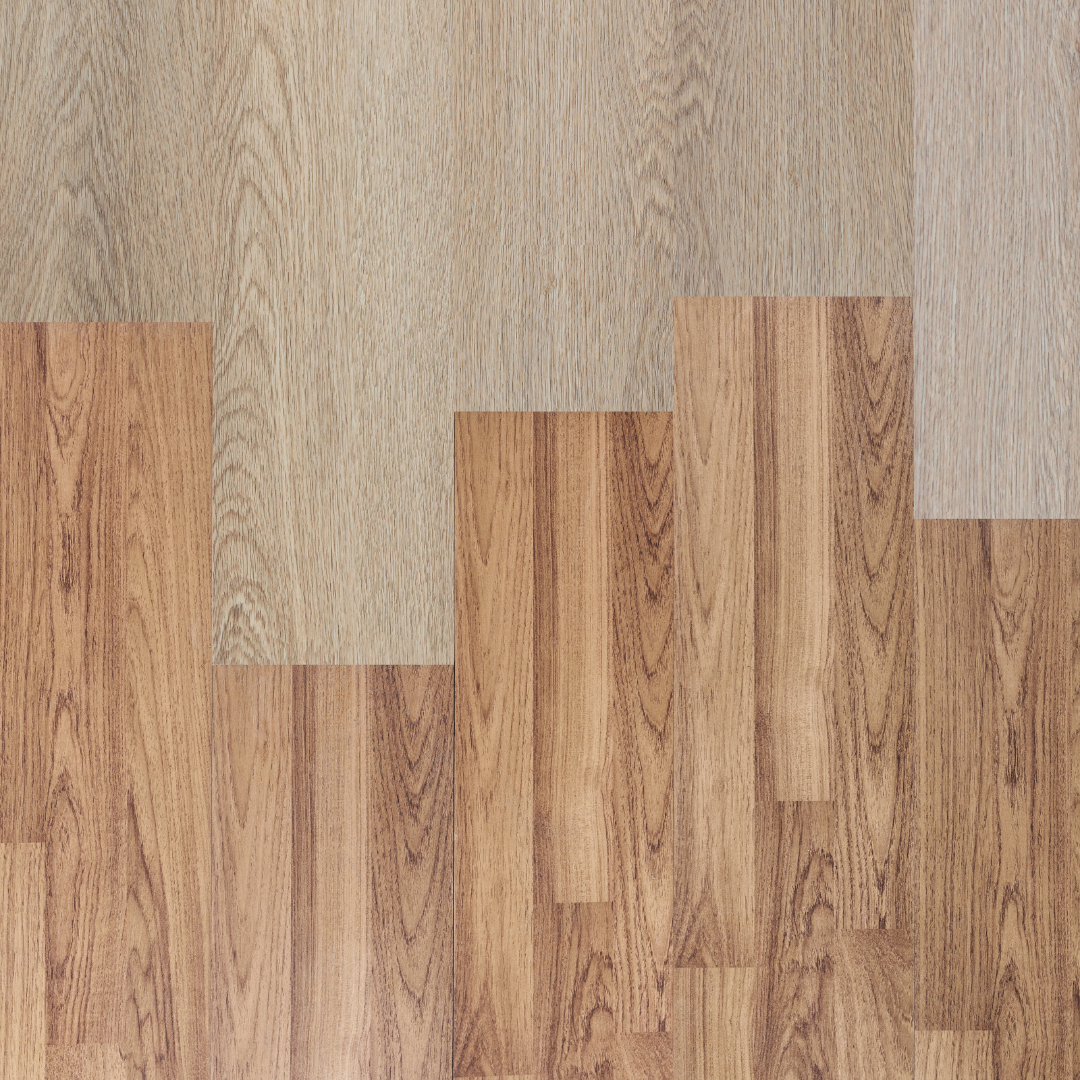
Oak flooring is renowned for its natural beauty, durability, and timeless appeal. However, to truly bring out the rich character of oak, it’s essential to choose the right finish. Among the various finishing options available, oil finishes stand out for their ability to enhance the wood’s natural grain and provide a warm, matte look that many homeowners and designers love. In this blog, we’ll explore everything you need to know about oil finishes on oak flooring, including their types, benefits, application process, and maintenance tips.
What is an Oil Finish?
An oil finish is a protective coating applied to wood flooring that penetrates deep into the wood fibers, enhancing the natural grain and providing a rich, warm appearance. Unlike surface finishes, such as polyurethane, oil finishes soak into the wood rather than sitting on top, allowing the texture and character of the wood to shine through.
Types of Oil Finishes for Oak Flooring
1. Hardwax Oil
- Overview: Hardwax oil is a blend of natural oils and waxes that provides a durable and water-resistant finish while maintaining the natural look of the wood.
- Appearance: It gives oak flooring a matte or satin finish, highlighting the wood’s grain and texture without adding gloss.
- Durability: Hardwax oil offers good protection against spills and stains while being easy to repair. Scratches can often be buffed out without needing to refinish the entire floor.
2. Tung Oil
- Overview: Tung oil is a natural oil derived from the seeds of the tung tree. It’s known for its excellent penetrating properties and water resistance.
- Appearance: Tung oil imparts a warm, amber hue to oak flooring, enhancing its natural color and providing a slightly glossy finish.
- Durability: Tung oil offers moderate protection and is often used in multiple layers for added durability. It is a good choice for those who prefer a more natural and traditional look.
3. Linseed Oil
- Overview: Linseed oil, derived from flaxseed, is one of the oldest wood finishes. It is often boiled and mixed with other ingredients to improve drying time and durability.
- Appearance: It darkens oak over time, giving it a rich, deep color. The finish is typically matte or low-gloss.
- Durability: While not as durable as hardwax oil, linseed oil is easy to apply and maintain, making it suitable for low-traffic areas or for those who appreciate a vintage look.
4. Danish Oil
- Overview: Danish oil is a blend of oil (often linseed or tung oil), varnish, and solvents. It combines the benefits of oil penetration with the protective qualities of varnish.
- Appearance: Danish oil provides a slightly glossy finish that enhances the natural beauty of oak, adding a warm, golden tone.
- Durability: It offers better protection than pure oils but less than hardwax oil. It’s suitable for both residential and light commercial use.
Benefits of Oil Finishes on Oak Flooring
1. Natural Aesthetic
Oil finishes enhance the natural beauty of oak, allowing the grain and texture to take center stage. Unlike synthetic finishes, oil preserves the organic feel of the wood, giving it a warm, inviting appearance.
2. Matte and Satin Finish Options
For those who prefer a matte or satin finish, oil finishes are ideal. They provide a soft, low-sheen look that’s perfect for creating a cozy, relaxed atmosphere in any room.
3. Penetrating Protection
Oil finishes penetrate deep into the wood, providing protection from within. This helps protect the wood against moisture and spills while allowing it to breathe, reducing the risk of cracking and warping over time.
4. Ease of Repair
One of the standout features of oil finishes is their ease of repair. Minor scratches and wear can often be addressed with spot treatments, without the need to sand and refinish the entire floor. This makes oil-finished floors particularly practical for homes with pets or high foot traffic.
5. Environmentally Friendly
Many oil finishes come from natural ingredients, making them an eco-friendly choice. They are often low in volatile organic compounds (VOCs), contributing to better indoor air quality.
Applying Oil Finishes to Oak Flooring
1. Preparation
- Sanding: Start by sanding the oak floor to a smooth finish, using progressively finer grits of sandpaper. This opens up the wood grain, allowing the oil to penetrate more effectively.
- Cleaning: After sanding, thoroughly clean the floor to remove any dust or debris. A tack cloth or vacuum cleaner can help ensure the surface is spotless.
2. Application
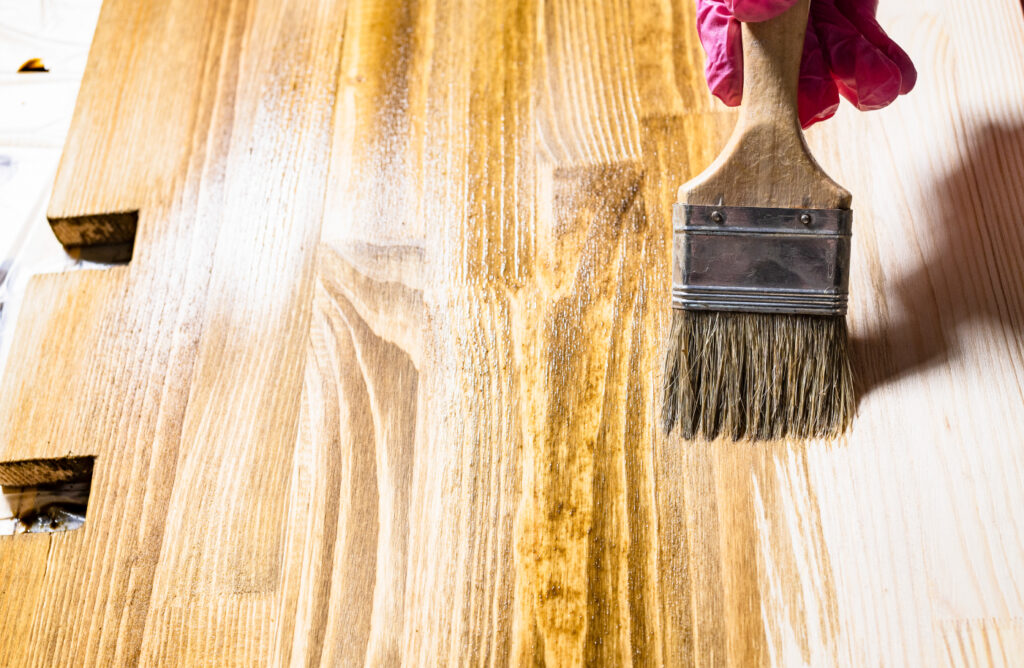
- First Coat: Apply the first coat of oil using a brush, roller, or cloth, working in the direction of the wood grain. Ensure the oil is applied evenly across the entire floor.
- Penetration Time: Allow the oil to penetrate the wood for 15-30 minutes. If the oil is absorbed quickly, apply more to ensure the wood is saturated.
- Buffing: After the oil has penetrated, buff the floor with a clean, dry cloth or a buffing machine to remove any excess oil and achieve an even finish.
- Additional Coats: Depending on the type of oil and the desired finish, you may need to apply additional coats. Allow each coat to dry thoroughly before applying the next one.
3. Curing
- Drying Time: Oil finishes typically take 24-48 hours to dry between coats. Full curing can take up to a week, so avoid heavy traffic during this time.
- Final Buff: Once the final coat is dry, give the floor a final buff to enhance the sheen and ensure an even finish.
Maintenance of Oil-Finished Oak Floors
1. Regular Cleaning
- Dusting: Regularly dust the floor with a microfiber mop or soft broom to remove dirt and debris.
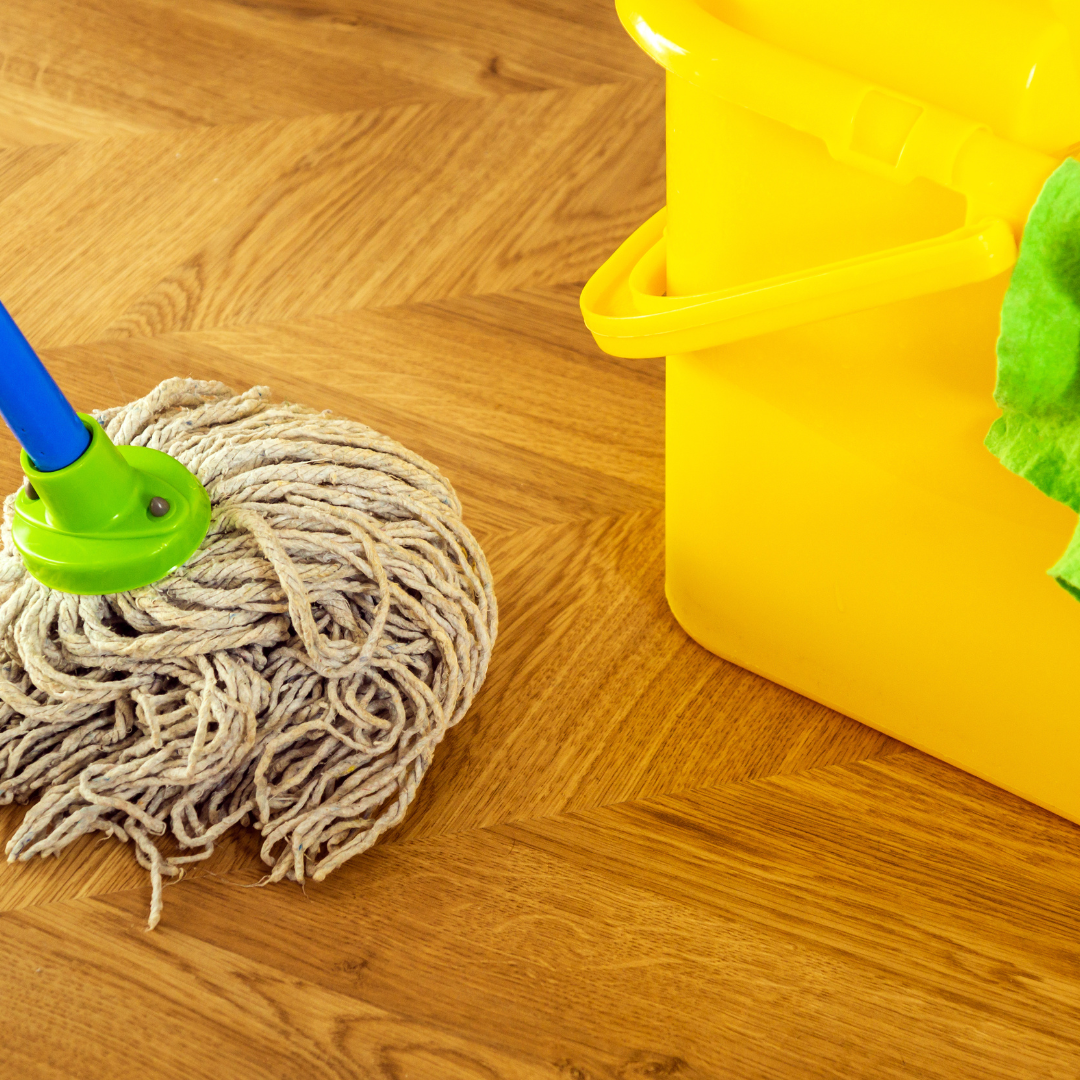
- Damp Mopping: Occasionally damp mop the floor with a cleaner specifically designed for oil-finished wood. Avoid using harsh chemicals or excessive water, as they can damage the finish.
2. Re-Oiling
- Routine Maintenance: Over time, oil-finished floors may require re-oiling to maintain their appearance and protection. This usually happens every 1-3 years, depending on the wear and tear.
- Spot Treatment: For high-traffic areas or spots that show signs of wear, apply a small amount of oil to refresh the finish. Buff the area after application for an even look.
3. Protection
- Furniture Pads: Attach felt pads to the legs of furniture to prevent scratches.
- Rugs and Mats: Use rugs and mats in high-traffic areas and entryways to protect the floor from dirt and moisture.
Conclusion
Oil finishes are an excellent choice for oak flooring, offering a natural, warm aesthetic that enhances the wood’s inherent beauty. With their deep penetration, ease of maintenance, and environmentally friendly properties, oil finishes provide both protection and style for your floors. Whether you prefer the matte look of hardwax oil or the traditional warmth of tung oil, there’s an oil finish that’s perfect for your oak floors. By choosing an oil finish, you’re investing in a timeless and durable flooring option that will bring comfort and elegance to your home for years to come.